March 13, 2026
Maintaining commercial trucks has never been more complex, given the rise of electronic systems, advanced hydraulics, and intricate mechanical components. Diagnostics play a central role in identifying problems quickly and accurately, helping technicians perform efficient truck body repair and overall maintenance. Modern diagnostic tools ensure that issues are detected early, reducing downtime and keeping trucks operational. This is especially important as commercial trucks haul 11.46 billion tons of freight annually in the U.S., according to Geotab, highlighting the critical need for reliable and timely maintenance solutions. Understanding how diagnostics support truck repair helps fleet operators and owners maximize efficiency and vehicle lifespan.
Trace the Evolution of Diagnostic Tools
Truck repair has progressed from relying solely on mechanic intuition to advanced digital tools that provide precision and efficiency. In earlier times, technicians performed manual inspections using flashlights and stethoscopes, identifying issues through experience and observation. Today, electronic sensors, onboard computers, and specialized diagnostic software allow mechanics to pinpoint faults faster and more accurately, especially for truck autobody repair.
The shift to digital diagnostics also reduces human error, allowing shops to streamline repairs, minimize downtime, and improve overall service quality. As trucks become increasingly sophisticated, technicians require continual training to keep pace with new technologies. The ongoing evolution from manual inspections to digital diagnostics illustrates how modern truck repair relies on both skilled technicians and advanced tools to maintain operational performance.
Highlight Key Milestones in Diagnostic Technology
Several breakthroughs have shaped the modern diagnostic landscape. The introduction of onboard computers allowed for detailed monitoring of vehicle performance, while the development of standardized On-Board Diagnostics (OBD) systems revolutionized how mechanics access and interpret data. OBD-II standards, widely adopted long ago, standardized diagnostic codes across vehicle brands, simplifying truck body repair and mechanical troubleshooting.
More recently, mobile and cloud-based diagnostics have enabled real-time problem detection, remote monitoring, and predictive maintenance strategies. For fleets hauling millions of tons of freight across the U.S., these tools are essential to avoid costly breakdowns. By integrating software-driven insights, technicians can anticipate maintenance needs, ensuring trucks remain operational while minimizing interruptions to transportation and delivery schedules.
Navigate the Rise of Computerized Vehicle Systems
Modern trucks rely heavily on computerized systems to manage engines, emissions, navigation, and safety features. For truck body repair, this complexity requires advanced diagnostic interfaces capable of interacting with these systems. Real-time data retrieval allows technicians to identify root causes quickly and address issues before they escalate.
Computerized systems also emphasize the importance of trained technicians who combine mechanical expertise with IT knowledge. Skilled personnel ensure that trucks are repaired efficiently and remain safe for on-road operations. As trucks continue to advance technologically, diagnostic tools and training will be essential to maintain high standards of repair and operational reliability.
Examine the Role of OBD Systems
OBD systems provide real-time insights into a truck’s performance, allowing for rapid identification of engine, transmission, and fuel system issues. Uniform diagnostic codes across manufacturers simplify the repair process and enhance accuracy for technicians performing truck body repair.
These systems are especially valuable for preventive maintenance, enabling early detection of minor issues before they develop into major failures. By leveraging OBD data, fleet managers can schedule repairs proactively, keeping trucks in service longer and reducing unexpected downtime. Cloud integration and advanced analytics continue to expand OBD capabilities, making them indispensable for modern fleet operations.
Leverage Data Analytics for Predictive Maintenance
Data analytics has transformed truck repair from a reactive process into a proactive one. By analyzing sensor data and historical maintenance records, technicians can predict potential failures and schedule repairs accordingly. This is particularly vital for commercial trucks transporting billions of tons of freight each year, where downtime can have significant operational and financial consequences.
Analytics also enable fleet managers to monitor vehicle performance trends, identify recurring problems, and optimize repair schedules. The integration of artificial intelligence and machine learning further refines diagnostic accuracy, allowing technicians to address issues faster and improve the overall efficiency of truck autobody repair and maintenance.
Use Handheld Diagnostic Scanners Effectively
Handheld scanners provide portability and ease of use, allowing technicians to perform on-the-spot diagnostics in the shop or on the road. These devices interface with a truck’s onboard systems to read error codes, helping identify issues quickly. For truck body repair, this means that technicians can diagnose structural or mechanical faults before they worsen, ensuring timely intervention.
Modern scanners often include wireless updates, touchscreen interfaces, and guided troubleshooting, enhancing both efficiency and accuracy. Although technical knowledge is necessary to interpret scanner outputs, their value in accelerating repair and maintenance cannot be overstated.
Integrate Laptop-Based Diagnostic Systems
Laptop-integrated systems offer expanded functionality for in-depth truck diagnostics. With specialized software, technicians can monitor engine performance, suspension systems, hydraulics, and electrical components simultaneously. For complex truck body repair, laptops provide detailed analysis, helping pinpoint underlying issues that handheld devices might miss.
These systems also support record-keeping and issue tracking over time, offering insights into recurring problems and long-term maintenance strategies. By combining computing power with specialized software, laptop-based diagnostics enhance precision and reduce repair timelines.
Apply Remote and Cloud-Based Diagnostics
Remote and cloud-based tools allow technicians to monitor vehicle health from virtually any location. This is especially beneficial for fleet operations, enabling proactive maintenance without requiring trucks to be physically present in the shop. Cloud systems track performance data over time, facilitating predictive repairs and minimizing downtime.
For fleets handling enormous freight volumes across the country, this connectivity is crucial. Technicians can quickly share diagnostic insights, schedule repairs, and optimize maintenance workflows. Cloud-based systems ensure that truck autobody repair and other essential services are executed efficiently, keeping trucks operational and reducing logistical delays.
Utilize Oscilloscopes and Multimeters
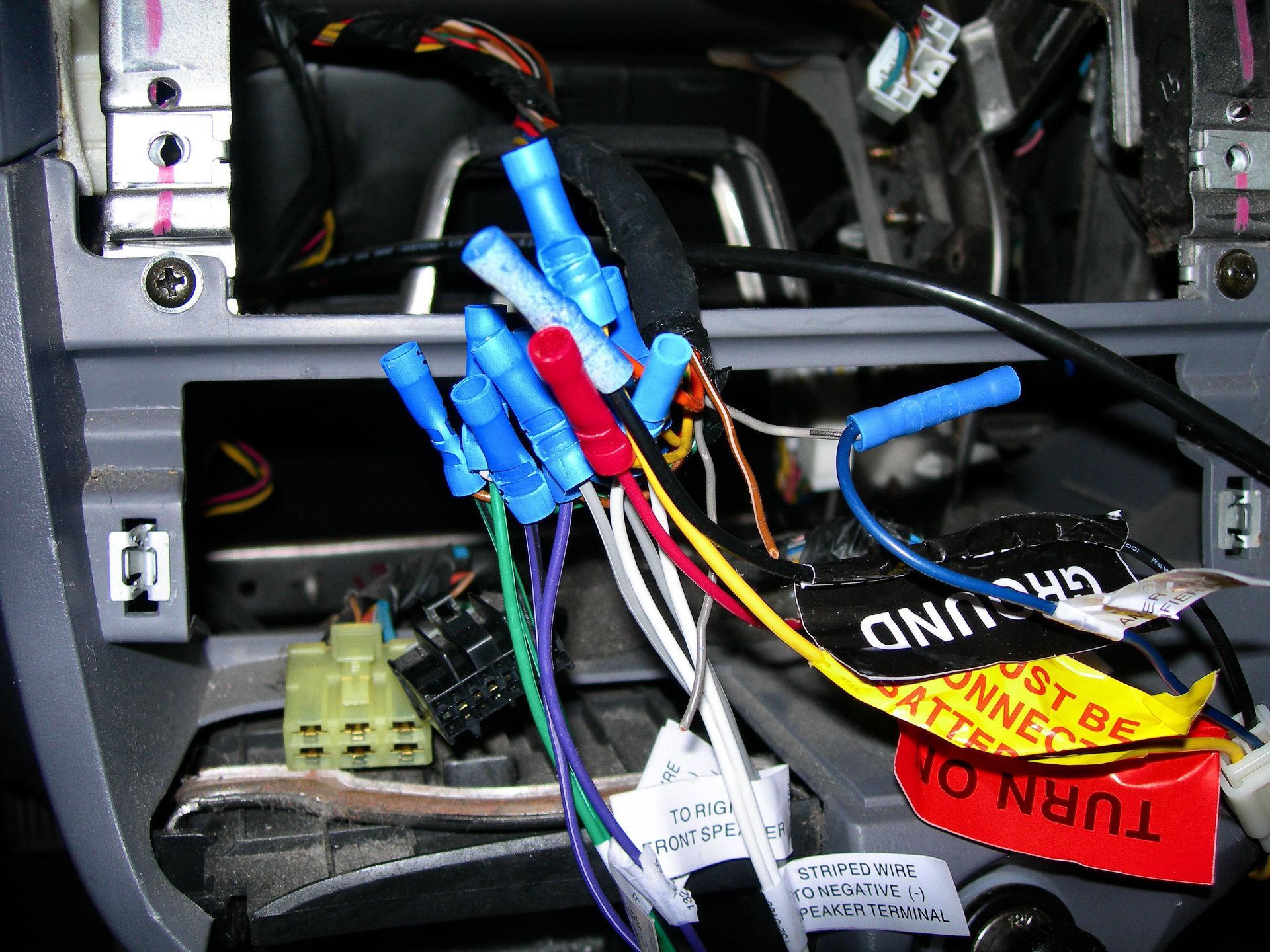
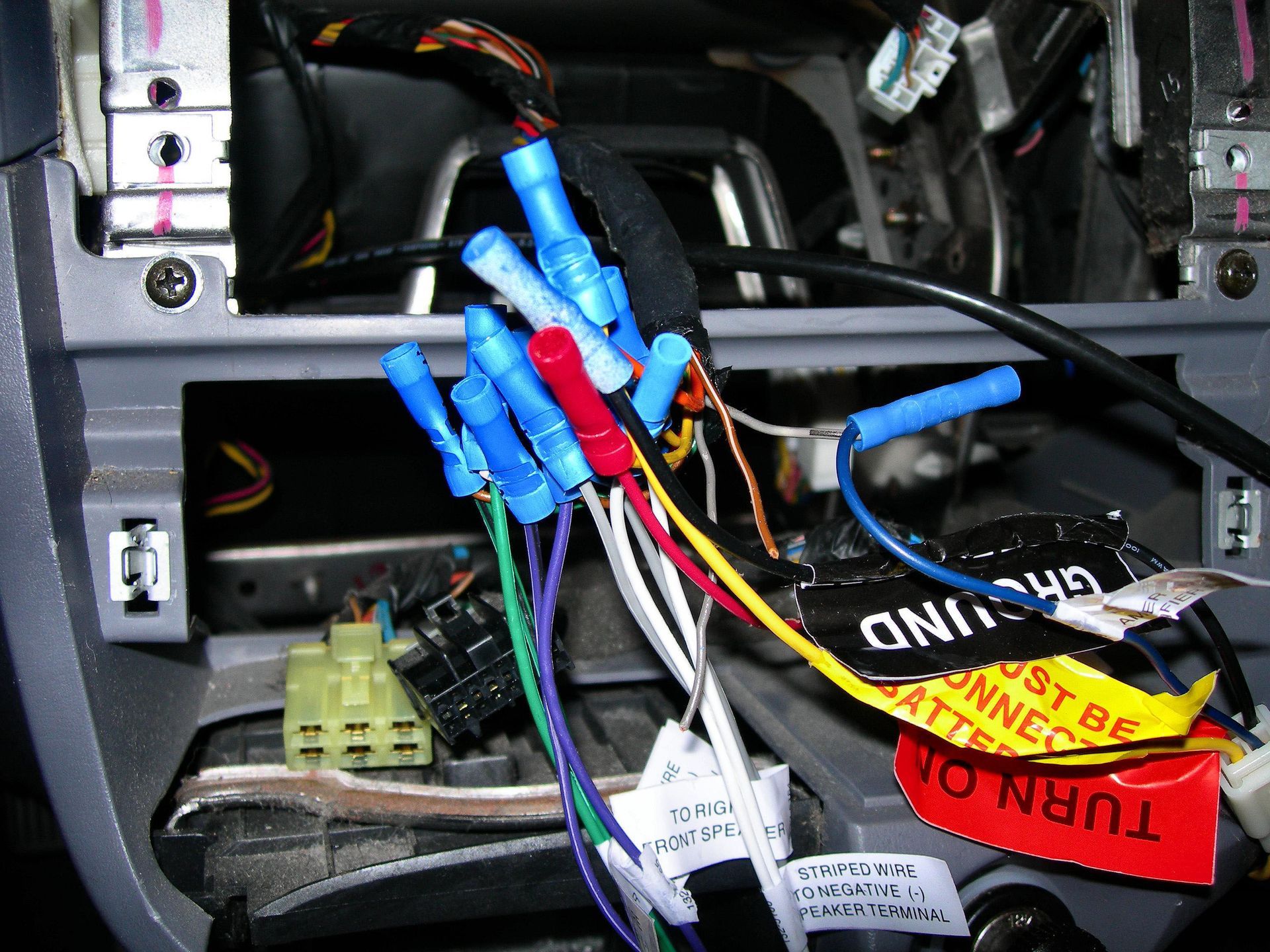
Electrical systems are integral to modern trucks, and tools like oscilloscopes and multimeters are essential for accurate diagnostics. Oscilloscopes visualize electronic signals in sensors and control units, while multimeters measure voltage, current, and resistance. Together, they enable technicians to troubleshoot electrical faults critical to truck body repair and operational safety.
Proficiency with these tools ensures precise diagnosis of complex electrical issues, enhancing repair effectiveness. Training and continuous skill development are key to leveraging these devices in maintaining truck reliability.
Implement Specialized Software for Engine and Transmission Analysis
Advanced software tools allow technicians to monitor engine performance, fuel injection, transmission behavior, and torque converter operations. By analyzing these metrics, repairs can be precise, preventing extensive damage and prolonging truck lifespan. For commercial fleets, this data-driven approach ensures vehicles are maintained efficiently, supporting high-volume freight transport.
Specialized software enables predictive maintenance and performance optimization, improving both reliability and operational productivity. Technicians can make informed decisions during truck autobody repair and mechanical maintenance, keeping trucks on the road longer with minimal interruptions.
Conduct Scheduled Diagnostic Checks for Fleets
Routine diagnostics are essential to preventive maintenance strategies. By scheduling regular assessments, fleet managers can identify wear, alignment issues, or suspension faults early, reducing costly repairs. For trucks involved in heavy freight hauling, maintaining consistent performance is critical.
Scheduled checks also help ensure compliance with safety and environmental regulations, keeping trucks within operational standards. A systematic approach to diagnostics promotes longevity, efficiency, and safety, supporting both daily operations and long-term fleet management.
Modern truck repair relies on a combination of skilled technicians, advanced diagnostic tools, and proactive maintenance practices. From handheld scanners to cloud-based diagnostics and specialized software, these tools support precise truck body repair and ensure trucks operate reliably.
At Truck & Trailer Equipment Co Inc, we integrate these technologies into our services, helping keep your fleet on the road with minimal downtime. Our expertise in truck bodies, hydraulics, mechanical and electrical systems, suspension, parts and accessories, collision repair, paint and body, Load Trail trailers, and alignment and framework allows us to provide comprehensive maintenance solutions. By leveraging diagnostics and preventive strategies, we ensure trucks remain safe, functional, and efficient. Contact us today to see how we can support your fleet’s performance and reliability.