April 14, 2026
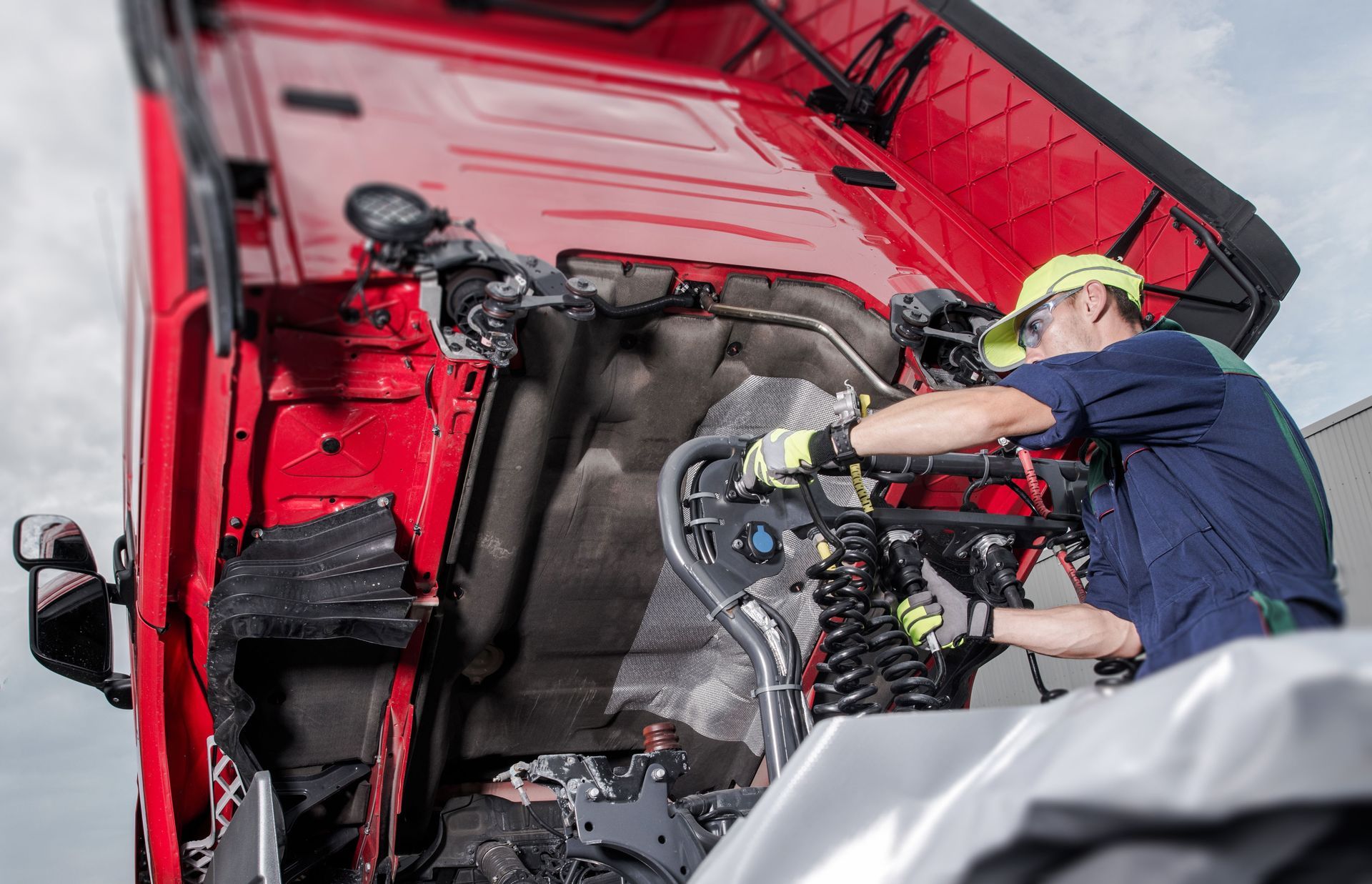
For any professional driver or fleet manager, a truck is far more than just a vehicle; it is a mobile office, a primary tool of the trade, and a significant capital investment. Keeping that investment on the road requires a shift in mindset from reactive repairs to proactive care. When a truck breaks down on the shoulder of a highway, the costs extend far beyond the repair bill; they include lost time, missed delivery windows, and potential damage to a company’s reputation. Staying ahead of mechanical failures is the only way to ensure profitability and safety in an increasingly demanding logistics landscape.
The rigorous demands placed on heavy-duty vehicles mean that components wear out faster than they do on standard passenger cars. Precision in scheduling is the foundation of a reliable maintenance program. According to Geotab, generally, semi trucks require basic service every 15,000 to 20,000 miles, along with more thorough inspections every 30,000 miles. This tiered approach to maintenance ensures that high-wear items are addressed frequently while deeper mechanical systems are vetted before they can fail catastrophically. By following a structured maintenance philosophy, you can maximize the lifespan of your truck parts and keep your operation running smoothly.
1. Establish a Rigorous Fluid Management Schedule
Fluids are the lifeblood of any heavy-duty truck, and managing them is the most effective way to prevent engine and transmission failure. Engine oil does more than lubricate; it cleans, cools, and protects internal components from friction and corrosion. Over time, oil breaks down and becomes saturated with contaminants that can cause premature wear on vital truck parts. Adhering to the recommended 15,000-mile interval for oil and filter changes is non-negotiable for anyone looking to avoid an expensive engine overhaul, according to our team.
Beyond engine oil, coolant levels and quality must be monitored constantly. Modern diesel engines operate at high temperatures, and a failure in the cooling system can lead to a warped head or a seized engine in a matter of minutes. Ensure that you are using the correct coolant type for your specific engine model and check for any signs of "dropout" or contamination. Regularly testing the freezing point and pH levels of your coolant can help you identify issues with the EGR cooler or head gaskets before they become emergency repairs on the side of the road.
2. Prioritize Brake System Inspections
The braking system of a semi-truck is a complex network of air compressors, valves, drums, and pads that must work in perfect harmony to stop a fully loaded trailer. Because of the immense heat and pressure generated during braking, these components are subject to rapid degradation. During every 15,000-mile service, it is essential to check the thickness of the brake linings and look for any signs of uneven wear, which could indicate a sticking caliper or an out-of-adjustment slack adjuster.
Air leaks are another common culprit in brake system failure. Listen for the telltale hiss of escaping air when the brakes are applied and released. Moisture in the air system can lead to frozen lines in the winter or internal corrosion of the valves in the summer. Regularly draining the air tanks and ensuring the air dryer cartridge is replaced on schedule will protect the entire pneumatic system. By keeping your braking truck parts in top condition, you aren't just protecting your vehicle; you are ensuring the safety of everyone sharing the road with you.
3. Monitor Tire Pressure and Tread Depth Daily
Tires are one of the highest operating expenses for any trucking operation, second only to fuel. Improperly inflated tires increase rolling resistance, which kills fuel economy, and they generate excessive heat, which leads to blowouts. A pre-trip inspection should always include a manual check of tire pressure with a calibrated gauge. Even if your truck is equipped with a Tire Pressure Monitoring System (TPMS), manual checks allow you to inspect the sidewalls for cuts, bulges, or embedded debris that the sensors might miss.
Tread depth is equally important for traction and safety, particularly in inclement weather. Federal regulations mandate specific minimum tread depths for steer tires and drive tires, but waiting until you reach the legal limit is often a mistake. Rotating tires regularly helps ensure even wear across all axles, extending the life of your rubber and providing a smoother ride. Remember that tires are the only point of contact between your multi-ton vehicle and the pavement; never skimp on the quality of these essential truck parts.
4. Inspect the Electrical System and Battery Health
Modern trucks are moving computers, and they rely on a stable electrical system to function. Vibrations from thousands of miles on the road can loosen battery connections, chaff wiring harnesses, and vibrate light filaments until they snap. During your 30,000-mile thorough inspection, take the time to clean battery terminals to prevent corrosion and check the alternator's output. A weak battery or a failing alternator can cause "ghost" codes in the engine control module, leading to unnecessary downtime and diagnostic confusion.
Exterior lighting is another critical area for both safety and regulatory compliance. A single burnt-out marker light or a dim headlight can result in a Department of Transportation (DOT) citation and an unfavorable safety score for your fleet. Transitioning to LED lighting for all exterior truck parts can reduce the frequency of these failures, as LEDs are far more resistant to the constant vibrations of highway travel. Keeping your electrical system "clean" ensures that your sensors and lights are always ready when you need them most.
5. Keep the Fifth Wheel and Chassis Lubricated
Grease is one of the cheapest tools in your maintenance kit, yet it is often the most neglected. The fifth wheel plate requires a constant layer of high-quality grease to allow the trailer to pivot smoothly during turns. Without proper lubrication, the friction between the tractor and trailer can cause "steering pull" and excessive wear on the kingpin. Similarly, the u-joints, tie-rod ends, and kingpins on the chassis require regular greasing to prevent seizing and mechanical play.
A dry chassis leads to stiff steering and a harsh ride, which increases driver fatigue over long hauls. During your 15,000-mile service interval, every grease fitting on the vehicle should be hit with fresh lubricant until the old, contaminated grease is pushed out. This simple act of "greasing the rig" protects expensive metal truck parts from grinding against one another, saving you thousands of dollars in suspension and drivetrain repairs over the life of the vehicle.
6. Don't Ignore the Aftertreatment System
For trucks built within the last fifteen years, the Diesel Particulate Filter (DPF) and Selective Catalytic Reduction (SCR) systems are critical components that require specific attention. If the DPF becomes "face-plugged" with soot or ash, the engine will lose power and eventually go into a "derate" mode, forcing the truck to a crawl. Regularly monitoring the frequency of "regen" cycles can give you a clue about the health of your fuel injectors and turbocharger.
Using high-quality Diesel Exhaust Fluid (DEF) and ensuring the dosing valve is clean will prevent "crystal" buildup in the SCR. Because aftertreatment truck parts are among the most expensive components on a modern engine, preventing their failure is a top priority. Following the manufacturer’s intervals for DPF cleaning and sensor replacement is far more affordable than replacing a melted catalyst or a cracked filter because the system was neglected for too long.
If you are ready to take your maintenance program to the next level or need assistance sourcing the right components for your next service interval, we are here to support you. From the smallest seal to the most complex engine components, we have the inventory and the knowledge to keep you moving forward. Contact Truck & Trailer Equipment Co Inc today to learn more about how we can help you streamline your maintenance routine and maximize your uptime. Let’s work together to keep your trucks running strong for every mile ahead.