September 11, 2026
Trucks are designed as complete systems in which individual components work together to support performance, safety, reliability, and everyday operation. When a component becomes worn, damaged, or no longer functions as intended, choosing an appropriate replacement is an important part of keeping the vehicle operating properly. Genuine truck parts are designed with the original vehicle specifications in mind, which can help preserve the fit and function expected from the vehicle.
Replacement components can vary considerably in their design, materials, manufacturing standards, and compatibility. While different options may appear similar from the outside, small variations can influence how a component fits or interacts with surrounding systems. A replacement that does not match the vehicle’s requirements may create unnecessary complications during installation or affect performance after the repair.
Maintaining Consistent Vehicle Performance
Every truck depends on numerous mechanical, electrical, and structural components working together. From steering and suspension systems to engine components and electrical connections, each part contributes to how the vehicle performs. Using truck parts that correspond with the manufacturer’s original specifications can help maintain consistency across these interconnected systems.
Performance is not limited to horsepower or acceleration. It also includes predictable braking, steering response, stable handling, smooth operation, and dependable starting. Components that are designed for a particular vehicle are intended to function within the tolerances and operating conditions established for that model.
Preserving Proper Component Compatibility
Compatibility is one of the most practical reasons to consider genuine replacement components. Trucks may differ by model, configuration, engine, drivetrain, suspension package, electrical system, and intended application. Even components that look nearly identical may have important differences in dimensions, connections, materials, or operating characteristics.
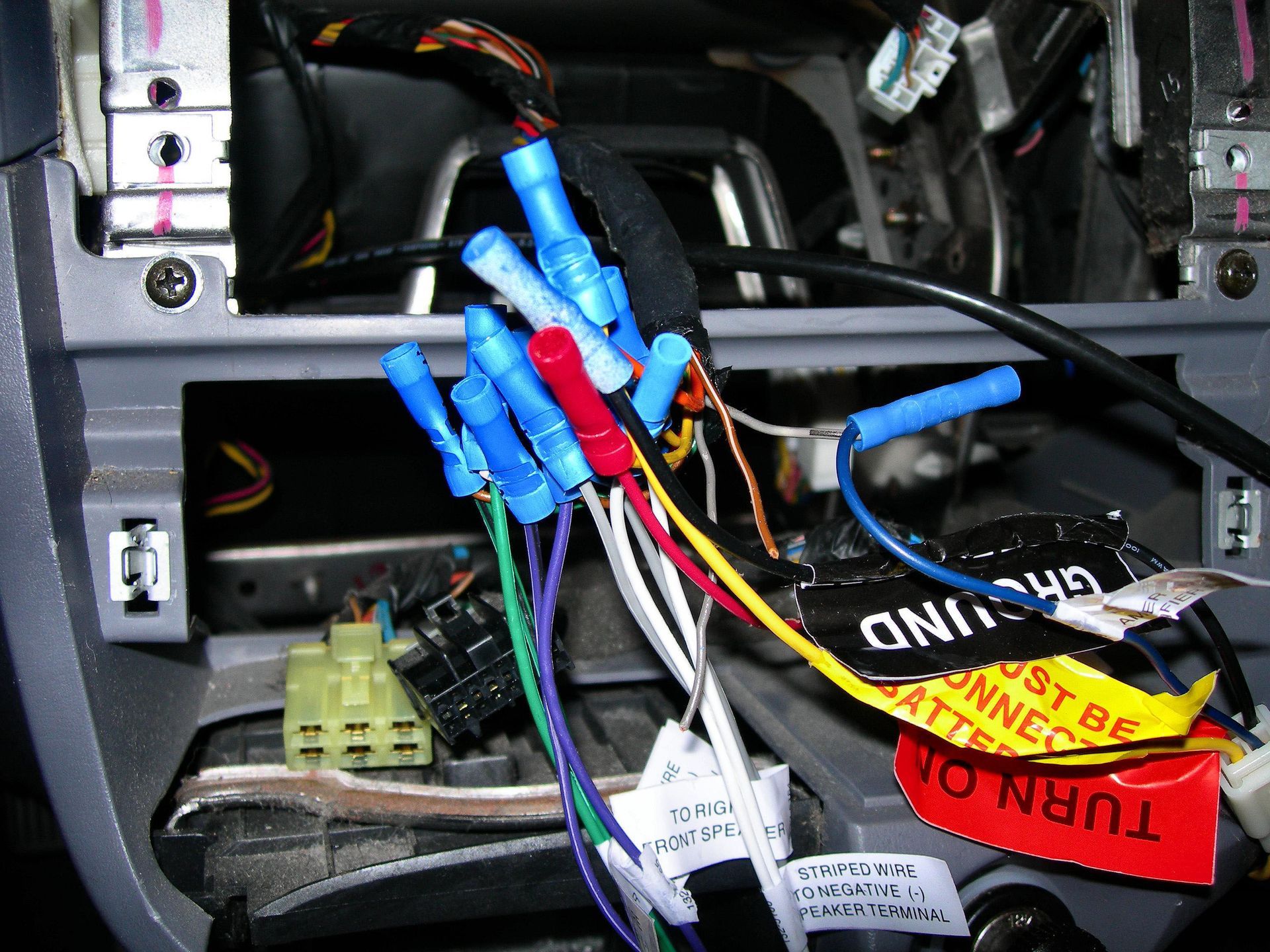
Compatibility also extends beyond physical dimensions. Modern trucks contain increasingly interconnected electronic and mechanical systems. Sensors, modules, connectors, and other components may communicate with or depend on surrounding systems. A properly matched replacement can help preserve those relationships and allow the vehicle to continue functioning according to its established design.
Supporting Important Vehicle Safety Systems
Many components in a truck have a direct or indirect relationship with vehicle safety. Braking, steering, suspension, lighting, drivetrain, and parking systems all depend on components performing correctly. This makes careful parts selection especially important when repairs involve systems that affect vehicle control or stability.
Vehicle recalls demonstrate how important individual components can be to overall operation. According to Consumer Reports, Ford and Lincoln are recalling more than 740,000 trucks and SUVs because a problem could allow the vehicles to roll away while parked. Situations involving safety-related components highlight why proper design, compatibility, inspection, and repair matter throughout a vehicle’s service life.
Reducing Problems With Fit and Installation
A replacement component must fit correctly before it can perform its intended function. Differences in mounting points, dimensions, connectors, fasteners, or tolerances can complicate a repair. Even relatively small discrepancies may require additional labor or prevent a component from operating correctly.
Using truck parts designed for the specific vehicle can reduce some of these concerns. When components match the original specifications, technicians are more likely to encounter the fit and configuration expected for the application. That consistency can help make the repair process more straightforward.
Proper fit also matters after installation. A component that sits incorrectly, connects poorly, or creates unusual pressure on surrounding components can potentially contribute to premature wear or additional problems. In complex assemblies, one poorly matched component may affect several other parts.
Protecting Long-Term Vehicle Reliability
Truck ownership often involves balancing immediate repair needs with long-term reliability. A lower-cost replacement may appear attractive when a vehicle needs service, but the initial price of a component is only one factor in the overall maintenance decision. Fit, durability, expected service life, and the possibility of repeated labor can all influence the eventual cost of a repair.
Choosing genuine truck parts may help owners focus on compatibility and expected performance rather than simply comparing purchase prices. A component designed for the vehicle’s original specifications can offer greater confidence that it is appropriate for the intended application.
This consideration can become especially significant for work trucks. Unexpected downtime can interfere with deliveries, appointments, projects, or other business activities. A vehicle that is unavailable because of a repeated repair can create costs beyond the replacement component itself.
Maintaining Appropriate Service and Maintenance Records
Maintenance records provide valuable information about a truck’s history. Documentation can show when major components were replaced, which systems have required repeated attention, and what types of maintenance have been completed. Accurate records become particularly useful when vehicles are used commercially or maintained as part of a larger fleet.
When truck parts are clearly identified during professional service, future technicians can better understand what has already been installed. This information can support later diagnostics and help prevent confusion about component specifications.
Consistent maintenance records can also help owners recognize patterns. If the same system repeatedly requires attention, the problem may extend beyond a single worn component. A technician can use previous repair information alongside current diagnostic findings to investigate possible contributing factors.
Considering the Complete Cost of Replacement
The purchase price of a replacement component does not always represent the complete cost of a repair. Labor, downtime, diagnostic work, additional components, and the possibility of repeating the service can all affect the overall expense. For that reason, evaluating replacement options requires a broader perspective than simply choosing the least expensive item available.
Quality truck parts that fit correctly and meet the intended vehicle specifications may help reduce uncertainties surrounding installation and compatibility. If an incorrect or poorly fitting component requires additional adjustments or replacement, an initially inexpensive repair may become more costly.
Vehicle use should also influence the decision. A truck that performs demanding commercial work may have different maintenance priorities from a vehicle used occasionally for lighter transportation. Operating conditions, loads, mileage, maintenance history, and the importance of vehicle availability can all affect how owners evaluate replacement options.
Recognizing the Importance of Professional Service
Selecting a suitable replacement component does not replace the need for accurate diagnosis and professional installation. A failed part may be the result of ordinary wear, but it can also be a symptom of another problem. Replacing the visible failure without addressing the underlying cause may lead to continued issues.
Professional technicians can inspect related systems, identify signs of abnormal wear, and determine whether additional service is necessary. They can also confirm that replacement truck parts correspond with the vehicle’s configuration before installation.
This is especially valuable because trucks can vary considerably even within the same model family. Differences in engines, drivetrains, suspension systems, towing packages, and other equipment may affect which components are appropriate. Technical information and vehicle-specific identification help professionals select replacements more accurately.
Making Informed Replacement Decisions
Genuine components can make a meaningful difference when maintaining a truck because replacement decisions influence more than a single repair. Compatibility, fit, performance, safety considerations, service history, and long-term operating costs are all connected to the components installed in the vehicle.
Choosing genuine truck parts can help maintain consistency with the vehicle’s original specifications while reducing some of the uncertainty associated with replacement selection. For owners who depend on their trucks for transportation or commercial work, that consistency can be particularly valuable.
The appropriate choice will ultimately depend on the vehicle, the component being replaced, its operating conditions, and the professional diagnosis behind the repair. Looking beyond the initial purchase price and considering how a component fits into the vehicle as a whole can lead to more informed maintenance decisions.
When your truck needs replacement components or equipment, professional guidance can help you identify options suited to the vehicle and its intended use. At Truck & Trailer Equipment Co Inc, we can help customers evaluate their needs and find appropriate solutions. Contact us to discuss your truck, the components you need, and how our team can assist with your next service or equipment requirement.