February 13, 2026
In the fast-paced world of logistics and transportation, maintaining an efficient operation is paramount. Preventive truck repair and professional knowledge of truck parts and accessories not only ensure the longevity and reliability of vehicles, but also translate into significant time and cost savings. This article delves into the multifaceted benefits of adopting a preventive maintenance approach for truck fleets.
Understanding Preventive Truck Repair
Distinguishing Preventive from Reactive Maintenance
Unlike reactive maintenance, which deals with problems as they occur, preventive maintenance anticipates problems ahead of time. Reactive methods often lead to downtime, which can become costly, particularly in the trucking industry where on-time delivery is crucial. Preventive maintenance provides a structured method to avert potential roadblocks by scheduling regular check-ups. It's a method that enhances reliability and ensures vehicles are always road-ready. Adoption of preventive measures saves significant sums by avoiding the cost spikes that typically accompany emergency repairs.
The Role of Regular Check-Ups
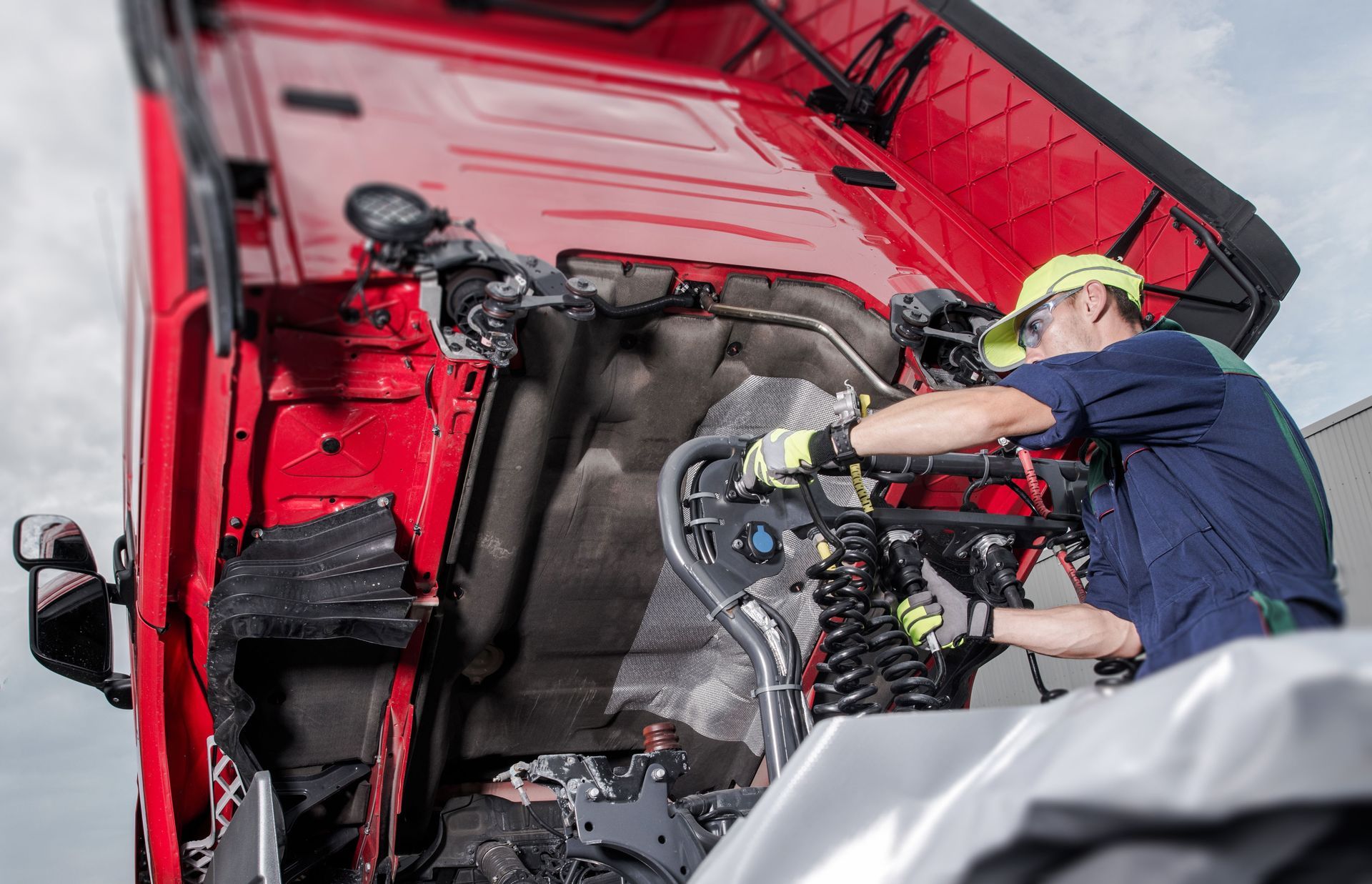
Regular check-ups are central to preventive maintenance, allowing issues to be caught early and addressed without delay. These routine inspections include checking brakes, tire treads, oil levels, and the integrity of crucial components. By adhering to a consistent check-up schedule, the risk of severe issues diminishes, thus reducing unplanned downtime. During these check-ups, mechanics can resolve minor issues that, if neglected, could escalate into major repairs. Thus, regular inspections are a fundamental component of maintaining a fleet's health and efficiency.
Essential Preventive Services for Trucks
The range of preventive services necessary for trucks includes routine oil changes, tire alignments, brake inspections, and filter replacements. These services are essential not only for long-term vehicle health but also for optimal performance. Routine oil changes ensure engine efficiency and longevity, while tire alignments help prevent uneven wear that could lead to flats or blowouts. Regular service prevents small issues from turning into significant mechanical failures. Such preventive services optimize vehicle performance, ensuring reliability and safety for every trip.
Technological Advancements in Maintenance Procedures
Technology is revolutionizing preventive maintenance in the trucking industry, offering a host of truck parts and accessories to optimize performance. Advanced diagnostics tools now allow for precise, real-time monitoring of a truck's health, predicting failures before they occur. Predictive analytics software analyzes data patterns to forecast potential maintenance needs. These technological advancements can significantly reduce the frequency of service interruptions and extend the life span of vehicles. According to Geotab, the trucking industry is currently worth a staggering $2.2 trillion globally. This figure alone makes it clear that leveraging technology for maintenance is crucial for sustaining the industry's growth and efficiency.
Time-Saving Benefits of Preventive Maintenance
Reducing Unscheduled Downtime
Preventive maintenance significantly reduces the incidence of unscheduled downtime by addressing potential issues during scheduled care. When trucks undergo regular maintenance, the likelihood of unexpected breakdowns declines drastically. This proactive approach ensures that operations run smoothly and deliveries are not delayed due to vehicle malfunctions. Eliminating unscheduled downtime not only conserves time but also boosts overall fleet productivity. Businesses can maintain their schedules reliably, leading to improved client satisfaction and enhanced growth.
Streamlining Maintenance Schedules
With preventive maintenance, companies can streamline their maintenance schedules, aligning them with operational needs. Scheduling maintenance for truck parts and accessories at convenient intervals prevents any significant disruptions to daily operations. This organized approach allows for resource allocation, ensuring vehicles are serviced without impacting their availability unduly. Through strategic scheduling, the workload is balanced, preventing a bottleneck in fleet operations. The result is a fluid operational environment where maintenance activities do not interfere with daily tasks.
Maximizing Fleet Availability
Preventive maintenance maximizes fleet availability by minimizing the time trucks spend out of commission. Vehicles in peak condition can not only be utilized efficiently but also returned to the field faster after routine maintenance. This increased availability means fleets can accommodate more bookings, improving revenue potential. For firms in the global trucking industry, maximizing availability translates into increased contract fulfillment and revenue. As vehicle availability increases, companies enjoy a competitive edge in meeting delivery demands promptly.
Enhancing Efficiency in Operations
Operational efficiency is greatly enhanced through preventive maintenance by ensuring vehicles function at their optimum capacity. A well-serviced fleet operates smoothly, reducing wear and tear on parts and saving fuel. This efficiency results in cost savings and improvements in delivery timelines, reinforcing a company's reliability in the logistics sector. Enhanced operations ensure that client orders are handled without delays, strengthening client relationships. Ultimately, efficiency ensures that a company remains competitive and poised for growth.
Leveraging Predictive Analysis for Better Planning
Predictive analysis in preventive maintenance of truck parts and accessories improves overall maintenance planning and execution. Advanced analytics provides foresight into potential failures, suggesting optimal times for maintenance before problems occur. Utilizing predictive analysis tools allows for better resource management, aligning maintenance with operational peaks and troughs. This type of planning aids in preventing over-servicing, where unnecessary maintenance efforts lead to increased costs without proportionate benefits. By smartly leveraging data, companies can optimize their fleet management strategies effectively.
Enhancing Safety through Preventive Maintenance
Preventing Accidents and Failures
Preventive maintenance inherently improves safety by preemptively addressing mechanical issues that may lead to accidents. Regular checks to truck parts and accessories help uncover problems with vehicle brakes, tires, and other critical systems before they become hazards. Such proactive measures reduce the risk of breakdowns and on-road failures, contributing to safer highways. An investment in safety reflects a company's commitment to protecting its drivers, cargo, and the public. Reduced liability from accidents also results in financial benefits for the transport company.
Ensuring Compliance with Safety Regulations
Adhering to preventive maintenance practices ensures compliance with stringent safety and inspection regulations governing the transport industry. Non-compliance with safety regulations can lead to hefty fines and legal liabilities, which preventive maintenance helps avert. Companies dedicated to regular vehicle maintenance demonstrate responsibility, often reflected in better business reputations. Compliance ensures legal integrity and enhances market standing, resulting in greater client trust. Fostering regulatory compliance is crucial for sustaining operations in the competitive logistics sector.
Protecting Drivers and Cargo
The safety of drivers and cargo is paramount, and preventive maintenance plays a critical role in their protection. Ensuring truck parts and accessories meet mechanical safety standards diminishes the likelihood of accidents caused by equipment failure. Safe vehicles build confidence among drivers, knowing that their workplace hazards are minimized. Halting deliveries due to mechanical failures can lead to significant financial losses, which is why maintenance has an economic reassurance dimension. Protecting human and material resources through maintenance fortifies a company's logistical guarantees.
Building Trust with Clients and Customers
Clients trust companies that maintain their fleets proactively, as this assures timely deliveries and reliable services. Building this trust requires consistent performance backed by well-maintained and dependable vehicles. Trust enhances client relationships, leading to repeat business and recommendations that fuel growth. Customers recognize and appreciate reliability, linking preventive maintenance directly to customer satisfaction and loyalty. In a competitive market, establishing long-term trust through preventive practices becomes a strategic advantage in client retention.
Tracking Safety Metrics for Continuous Improvement
Tracking and analyzing safety metrics provides critical insights for improving maintenance programs and fleet safety. Data collection can identify trends, enabling companies to make informed decisions about maintenance strategies. Continuous improvement in safety practices builds a culture of excellence and responsibility within an organization. Using metrics to refine preventive strategies helps uphold high safety standards, fostering a safer work environment. This commitment to ongoing improvement not only minimizes risks but also boosts overall operational efficiency and profitability.
Preventive truck repair is a strategic approach that can offer substantial time and cost savings while ensuring safety and environmental compliance. By investing in preventive measures, trucking companies can improve operational efficiency, reduce overall expenses, and maintain a robust, reliable fleet. Proactive maintenance not only benefits the company financially but also supports the well-being of its drivers, the satisfaction of its clients, and the preservation of the environment. For professional assistance with truck parts and accessories, be sure to contact Truck & Trailer Equipment Co Inc!