November 13, 2026
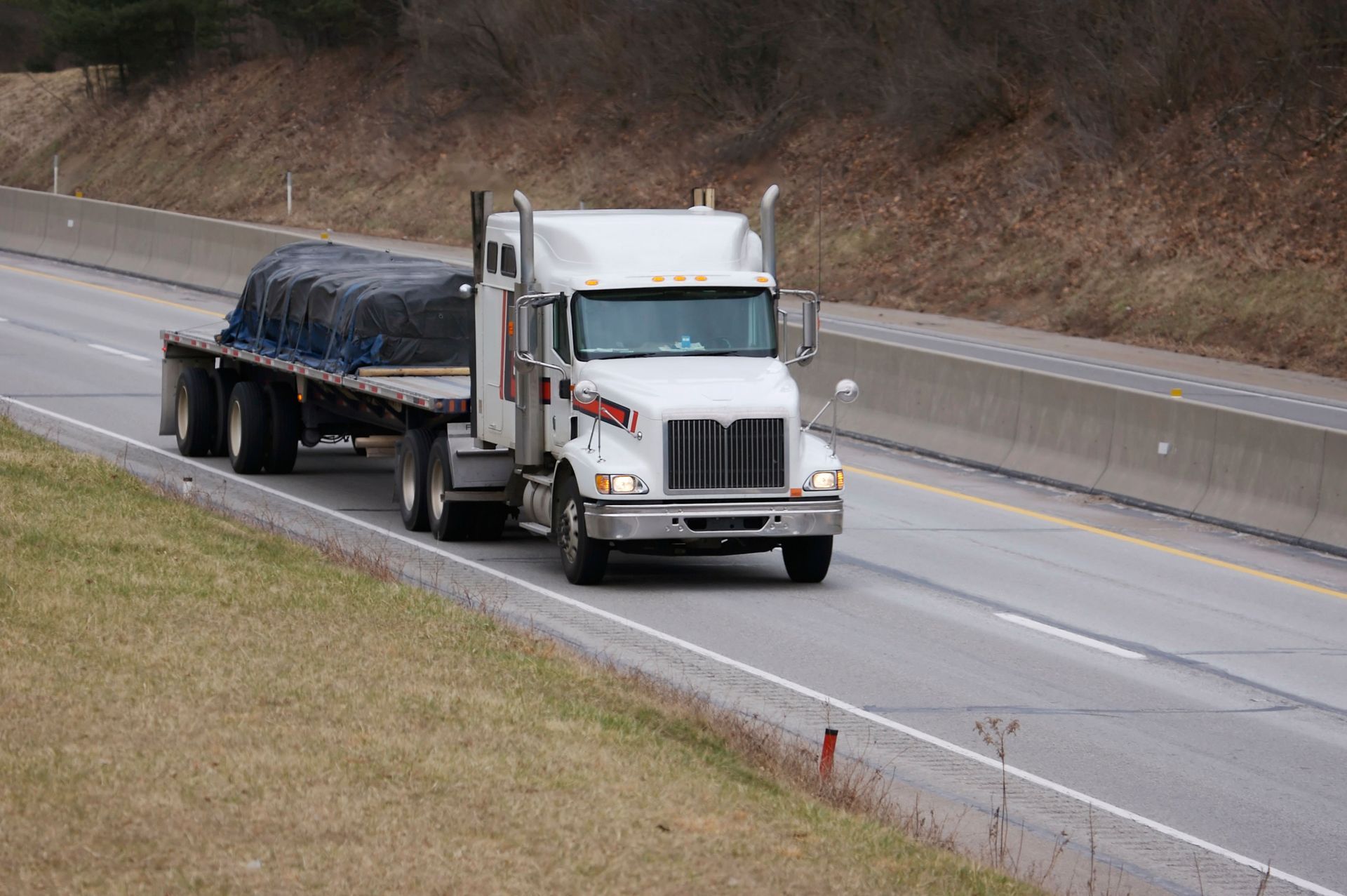
Commercial trucks represent the backbone of freight transport, moving vital cargo across national supply chains daily. When an accident occurs, downtime creates severe disruptions affecting delivery schedules, client relationships, and business profitability. Navigating the aftermath of a highway crash requires specialized mechanical knowledge, structural calibration equipment, and experienced technicians capable of restoring heavy-duty vehicles to factory standards. Understanding the value of certified truck collision repair is essential for fleet managers and owner-operators determined to safeguard investments, protect driver safety, and maintain dependable highway operations.
According to industry cost analysis reports, maintenance and repair expenses increased by 11.3% in 2024 and another 4.9% in early 2025. With operating budgets facing continuous financial pressure, businesses cannot afford haphazard fixes or recurring mechanical issues. Certified restoration processes guarantee that every component, from structural chassis rails to driver-assistance sensors, receives meticulous attention. Restoring damaged commercial equipment through certified procedures protects vehicle longevity and keeps fleets financially sound.
Conducting Immediate and Thorough Damage Assessments
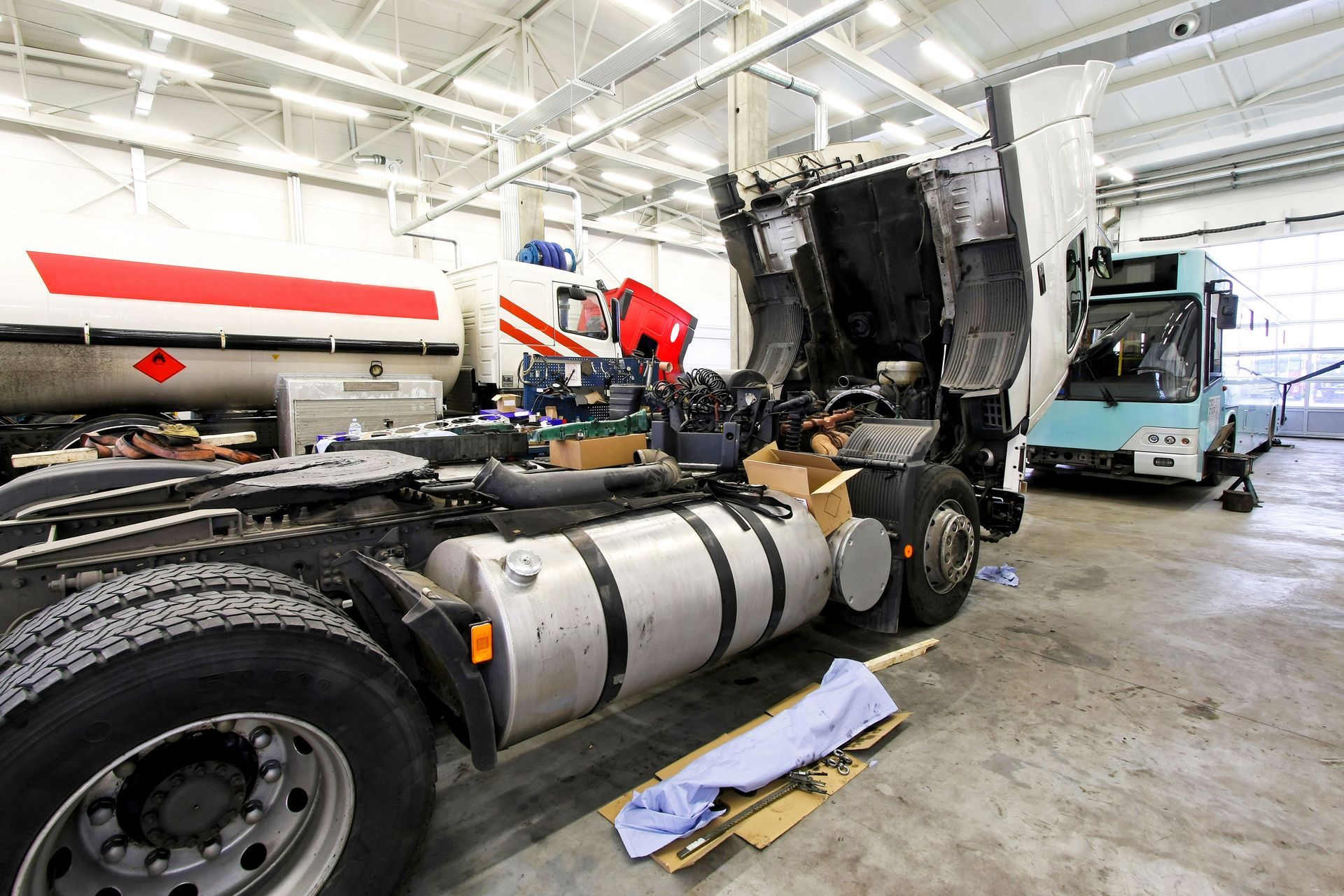
Rapid initial evaluations establish the foundation for successful vehicle restoration. Professional repair centers employ digital diagnostics and 3D frame measurement systems to determine the full scope of structural and mechanical distress. Technicians examine external cosmetic impacts and internal stress points, ensuring bent chassis crossmembers, distorted axles, and compromised steering linkages receive immediate identification. Uncovering hidden damage early eliminates unexpected discoveries that derail project timelines, enabling fleet directors to plan around predictable turnaround schedules.
A comprehensive initial assessment simplifies insurance claims by delivering transparent, data-supported cost estimates. Collision specialists generate line-item breakdowns covering required replacement parts, structural realignment labor, and refinishing materials. Serving as an experienced liaison with commercial insurers, repair centers expedite claim approvals and eliminate bureaucratic disputes that leave trucks idle. Accurate upfront documentation ensures proper compensation while establishing an organized blueprint for every phase of mechanical work.
Prompt inspections mitigate secondary safety hazards that might otherwise go unnoticed. Even moderate collisions can strain critical safety assemblies, such as air brakes, suspension anchor points, and cab safety modules. Evaluating these high-stress components during the primary inspection ensures no truck returns to service with unresolved vulnerabilities. Thorough diagnostic assessments protect drivers and surrounding highway traffic while setting the stage for smooth workshop repairs.
Implementing Advanced Structural and Technological Restoration
Restoring modern commercial vehicles demands heavy equipment and precision engineering capabilities. Advanced truck collision repair facilities utilize computerized laser alignment racks capable of pulling and truing massive high-strength steel chassis frames back to factory tolerances. Paired with modern aluminum welding tools and induction heating systems, these specialized technologies repair severe structural damage without degrading metallurgical strength. Relying on advanced industrial machinery guarantees that each restored vehicle handles safely under heavy freight loads.
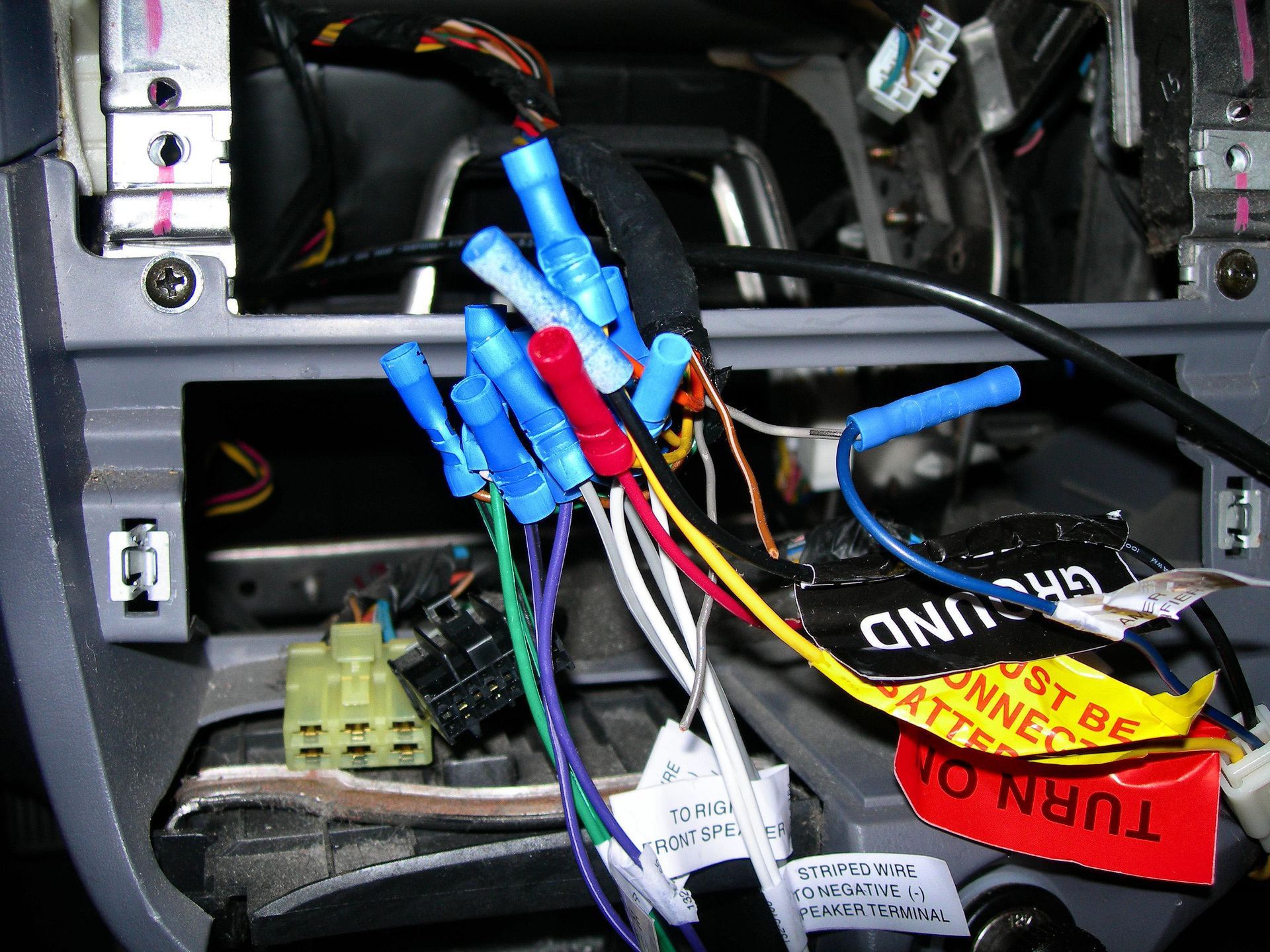
Beyond structural framework, commercial trucks rely on intricate electronic networks and advanced driver-assistance systems. Certified technicians undergo rigorous training to calibrate radar sensors, front-facing cameras, blind-spot monitoring hardware, and automated emergency braking systems. Restoring damaged body panels requires recalibrating these electronic components to ensure proper communication across vehicle control modules. Skilled technicians verify that every automated safety feature operates flawlessly before returning the truck to highway service.
Stringent quality control protocols govern every stage of the restoration workflow. Technicians conduct multi-point mid-repair assessments, validating torque values, chassis balance, and hydraulic seal integrity before proceeding to surface preparation and finishing. Following paint application and reassembly, road testing and diagnostic scans confirm that structural rigidity and handling meet federal motor safety standards. Systematic quality assurance shields fleet operators from premature component wear and eliminates substandard workmanship.
Streamlining Replacement Parts Sourcing and Inventory Management
Efficient parts acquisition is vital in expediting recovery following an accident. Dedicated collision centers cultivate established supply networks with trusted component distributors, securing priority access to authentic commercial vehicle components. Digital tracking systems allow repair facilities to monitor stock levels, order specialized items immediately upon completing diagnostic teardowns, and minimize transit downtime. Expedited delivery prevents extended delays, ensuring commercial fleets return to active duty without calendar losses.
Deciding between original equipment manufacturer components and certified aftermarket parts requires careful analysis of cost, durability, and warranty protections. Original parts guarantee exact factory specifications, seamless mounting, and structural continuity with existing vehicle systems. High-grade aftermarket alternatives offer durable, budget-conscious solutions for specific non-structural elements when factory parts face extended backorders. Knowledgeable service advisers assist fleet owners in navigating these choices, balancing performance standards with budgetary parameters.
Rigorous quality verification upon delivery prevents defective components from entering the repair sequence. Intake specialists inspect replacement panels, axle assemblies, suspension brackets, and hardware to verify correct dimensions and structural integrity. Rejecting substandard parts before installation avoids mid-assembly stoppages and prevents premature breakdown on the highway. This vigilant oversight protects the structural integrity of the truck while maximizing the service life of installed components.
Optimizing Vehicle Performance and Fleet Efficiency Post-Repair
Collision reconstruction offers fleet operators an opportune moment to refine aerodynamic contours and mechanical efficiency. Repair specialists can install upgraded cab fairings, side skirts, and roof deflectors that minimize aerodynamic drag across highway miles. Replacing distorted bodywork with precision-molded aerodynamic components decreases engine strain and reduces fuel consumption. Capitalizing on body reconstruction to streamline vehicle profiles delivers lasting operational benefits that offset rising diesel expenditures.
Technicians can also calibrate core mechanical systems to enhance vehicle handling and driver comfort. Restoring suspension geometry, upgrading shock absorbers, and aligning steering linkages reduce road vibration, lessening physical fatigue for commercial drivers. Proper wheel and axle alignments reduce rolling resistance, preventing irregular tire scrubbing and extending tire service life. Comprehensive performance calibrations turn an unexpected post-accident repair into a long-term operational upgrade for the entire vehicle.
Establishing proactive maintenance routines following structural restoration ensures lasting mechanical health. Routine post-repair inspections allow technicians to verify bolt torques, fluid levels, and structural alignments after the truck logs its first thousand miles under freight weight. Regular preventive maintenance routines protect new components against early wear and help fleet managers spot emerging mechanical issues before breakdowns happen. A proactive strategy preserves vehicle performance, enhances driver safety, and maximizes asset value.
Mitigating Financial Liabilities and Protecting Vehicle Resale Value
Professional truck collision repair protects fleet owners against substantial financial exposures and unexpected liabilities. Substandard repairs can result in sudden mechanical failures, structural fatigue, or highway collisions that expose transport companies to serious legal liabilities and soaring insurance premiums. Investing in certified repairs provides businesses with detailed documentation certifying that all work complies with commercial safety regulations. Documented mechanical compliance delivers crucial legal protection and demonstrates responsible corporate fleet stewardship.
Documented service records from reputable repair specialists directly protect vehicle resale value. When the time comes to sell or trade commercial equipment, prospective buyers scrutinize maintenance history, structural restoration paperwork, and parts provenance. A commercial truck restored using verified engineering standards commands a higher market premium than one with undocumented, questionable repairs. Maintaining complete restoration documentation reassures secondary buyers of structural reliability, securing superior residual value when cycling older units out of the fleet.
Swift, high-caliber repairs maximize fleet productivity by curbing lost revenue caused by out-of-service equipment. Every day a heavy-duty tractor sits idle in a bay, fixed expenses accumulate while delivery commitments hang in the balance. Working with an organized, technologically advanced repair facility shortens cycle times and restores vehicles to duty rapidly. Comprehensive truck collision repair shields business cash flows, preserves client trust, and ensures commercial trucking enterprises remain competitive across the logistics industry.
Restoring commercial vehicles to peak condition requires mechanical proficiency, advanced frame-straightening technology, and rigorous quality standards. Reliable truck collision repair safeguards vehicle reliability, optimizes driver safety, and protects financial investments across highway miles. Partnering with a dedicated repair facility ensures every tractor and trailer receives expert craftsmanship, comprehensive diagnostics, and meticulous attention to detail. For more information about the services that we offer, reach out to our incredible team at Truck & Trailer Equipment Co Inc today!