July 14, 2026
According to IBISWorld, the truck repair industry in the United States has a market size of $18.1 billion in 2026. Damage to a commercial truck or trailer can affect far more than its appearance. After a collision or significant impact, structural components, body panels, and related systems should be inspected to determine what repairs are needed.
Addressing damage promptly helps keep vehicles operating safely, reduces unnecessary wear on connected components, and prepares equipment to return to service. Understanding the role of frame straightening and related body work can help owners make informed decisions after an accident.
Restoring Structural Components After Damage
1. Visible Signs of Structural Damage
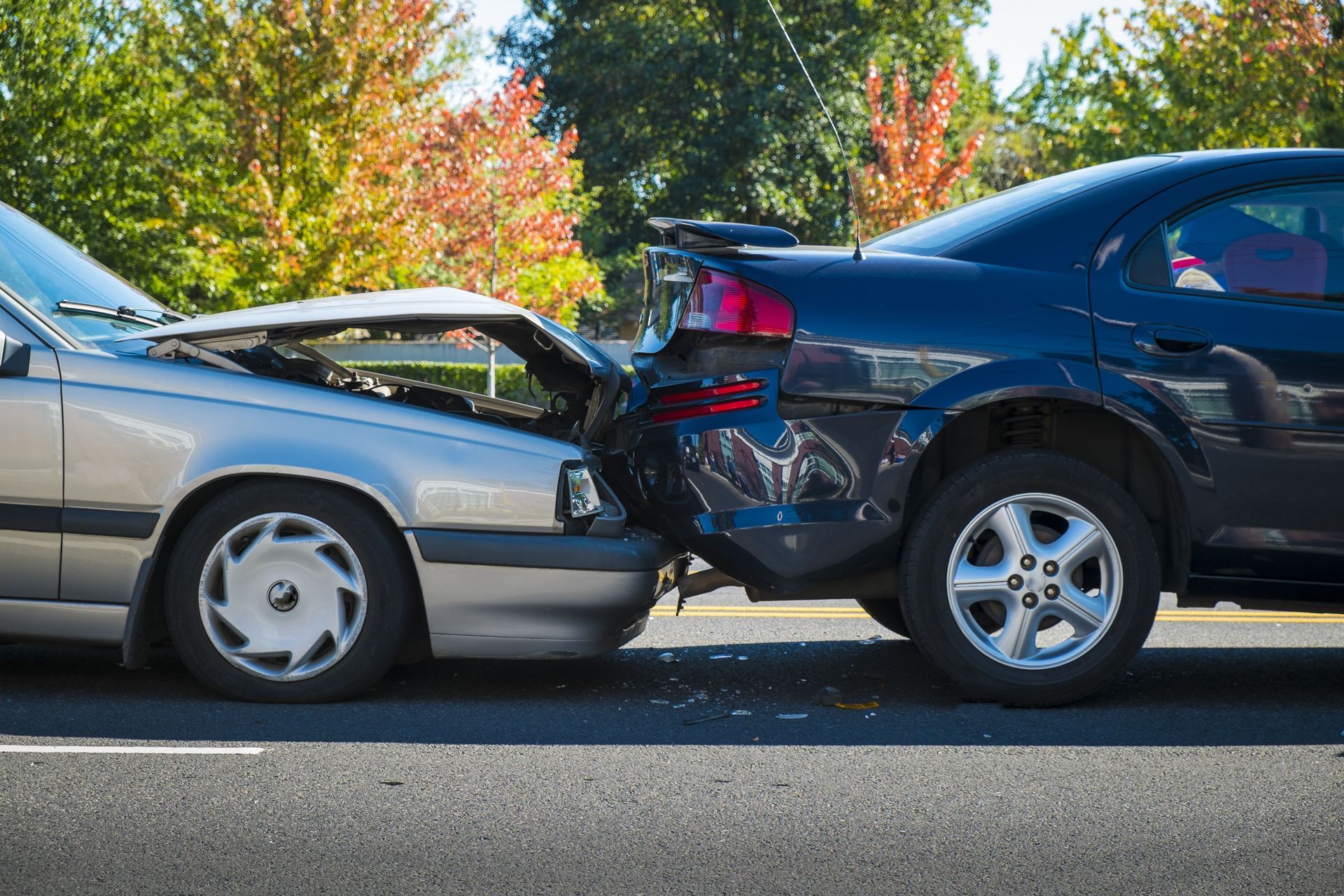
Collisions and other impacts can leave behind visible and hidden damage. While dents, bent body panels, and broken lighting are often easy to spot, structural concerns may not be immediately obvious. A truck or trailer that begins pulling to one side, shows uneven tire wear, or has components that no longer fit correctly may have sustained damage that extends beyond cosmetic issues.
Prompt inspections help identify whether repairs are limited to exterior body work or if additional framework adjustments, frame straightening, and mechanical repairs are necessary. Addressing concerns early helps prevent minor issues from contributing to larger repair needs later. A complete evaluation also helps determine which areas require attention before the vehicle returns to service.
2. Complete Repair of Structural Damage
Framework damage should be addressed before additional repairs are completed. Restoring damaged structural components through services such as frame straightening creates a solid foundation for body repairs and helps ensure related systems can be evaluated accurately during the repair process. Addressing these concerns early supports a more complete repair approach.
Collision damage often affects more than one area of a truck or trailer. Depending on the impact, repairs may involve body panels, mechanical components, steering, suspension, brakes, lighting, or other systems. Evaluating the vehicle as a whole helps identify everything that needs attention before it returns to service.
3. Long-Term Support of Equipment Life
Ignoring collision damage can place additional stress on surrounding components. Structural issues may contribute to unnecessary wear if left unresolved, making routine operation more difficult over time. Addressing repairs promptly helps reduce additional strain on the truck or trailer and supports continued use.
Routine maintenance also plays an important role after repairs are completed. Regular inspections can help identify developing issues before they become more extensive, supporting dependable performance throughout the life of the equipment. Preventive maintenance can also help owners monitor the condition of their trucks and trailers over time.
4. Reliable Support of Vehicle Operation
Commercial trucks and trailers rely on many interconnected systems to operate efficiently. After a collision, repairs should extend beyond visible damage to include inspections of steering, suspension, brakes, electrical components, and other affected systems when necessary. Frame straightening may also be part of addressing structural concerns caused by an impact.
Restoring damaged components helps reduce unnecessary wear while supporting normal vehicle operation. Identifying related mechanical issues during the repair process also helps owners address problems before they become more extensive. A complete repair evaluation helps ensure important systems are considered.
Combining structural repairs with routine maintenance provides an opportunity to evaluate the overall condition of the vehicle. This comprehensive approach helps keep trucks and trailers ready for daily use. It also allows owners to address both immediate repair needs and ongoing maintenance concerns.
5. Efficient Process of the Repair
After an accident, documenting visible damage and arranging a professional inspection are important first steps. A detailed evaluation helps determine the repairs required and provides a clearer understanding of the work involved. This information can help owners plan the next steps in restoring their equipment.
For many owners and fleet managers, insurance claims are part of the repair process. Keeping repair documentation organized and communicating with both the repair facility and insurance provider can help move the project forward more efficiently. Clear communication helps ensure the repair process addresses the necessary services.
Once repairs are complete, continued maintenance and inspections help support reliable operation while allowing owners to monitor the condition of their trucks and trailers over time. Regular attention to vehicle condition can help identify future concerns. Maintaining equipment properly supports long-term use.
Restoring Truck and Trailer Appearance
6. Quality Repair of Exterior Damage
Body damage can affect both the appearance and functionality of a commercial truck or trailer. Dented panels, damaged doors, bent components, and other visible issues should be addressed as part of the overall repair process following a collision. These repairs help restore the condition of equipment after damage occurs.
Paint and body repairs also help restore a professional appearance after an accident. Whether the damage is minor or more extensive, addressing visible issues helps prepare the vehicle for continued use. Completing these services as part of a larger repair process helps restore both appearance and function.
7. Professional Completion of Body Repairs
Collision repairs often involve more than replacing damaged parts. Body repairs may include repairing or replacing damaged panels, restoring exterior surfaces, and completing paint work where needed. Every repair plan depends on the condition of the truck or trailer and the extent of the damage.
When repairs are approached comprehensively, owners can return equipment to service with confidence that both visible and underlying damage have been addressed appropriately. A complete repair process helps support continued operation after an accident. It also allows owners to address the full scope of collision-related concerns.
8. Future Protection of Appearance
Addressing structural and body damage together helps support the longevity of future repairs. Correcting underlying issues before completing paint and body work reduces the likelihood of ongoing fitment concerns that could affect the vehicle's appearance later. This process helps maintain a more consistent exterior finish after repairs are completed.
Routine inspections following repairs also help identify new damage or normal wear before it becomes more significant. Monitoring the condition of exterior panels, lighting, and related components allows owners to schedule repairs as needed and maintain the overall condition of their equipment. Ongoing attention can help prevent minor concerns from becoming more involved repairs.
9. Preventive Steps for Further Damage
Delaying repairs after a collision can allow damaged components to deteriorate further. What begins as a relatively isolated repair may eventually affect nearby systems if left unresolved. Scheduling repairs promptly helps minimize additional wear while simplifying the overall repair process.
Regular maintenance appointments also provide opportunities to identify developing concerns before they require more extensive repairs. Combining inspections with preventive maintenance supports long-term equipment reliability. These services help owners stay aware of the condition of their trucks and trailers.
10. Complete Combination of Body and Mechanical Repairs
Collision damage frequently affects multiple systems at the same time. Along with body repairs, framework adjustments, and frame straightening, a truck or trailer may require attention to brakes, steering, suspension, hydraulic systems, lighting, or electrical components, depending on the nature of the accident. Evaluating all affected areas helps create a more complete repair plan.
Evaluating these systems together helps create a more complete repair plan while reducing the possibility of overlooked damage. Coordinating body and mechanical repairs also streamlines the restoration process, allowing technicians to address related concerns during the same service visit. This approach helps ensure the vehicle receives the services needed after an impact.
To learn more about collision repairs, framework adjustments, body work, mechanical repairs, preventive maintenance, frame straightening, and replacement truck parts, contact Truck & Trailer Equipment Co Inc. Our team provides comprehensive repair and maintenance solutions to help keep heavy-duty vehicles operating at their best.